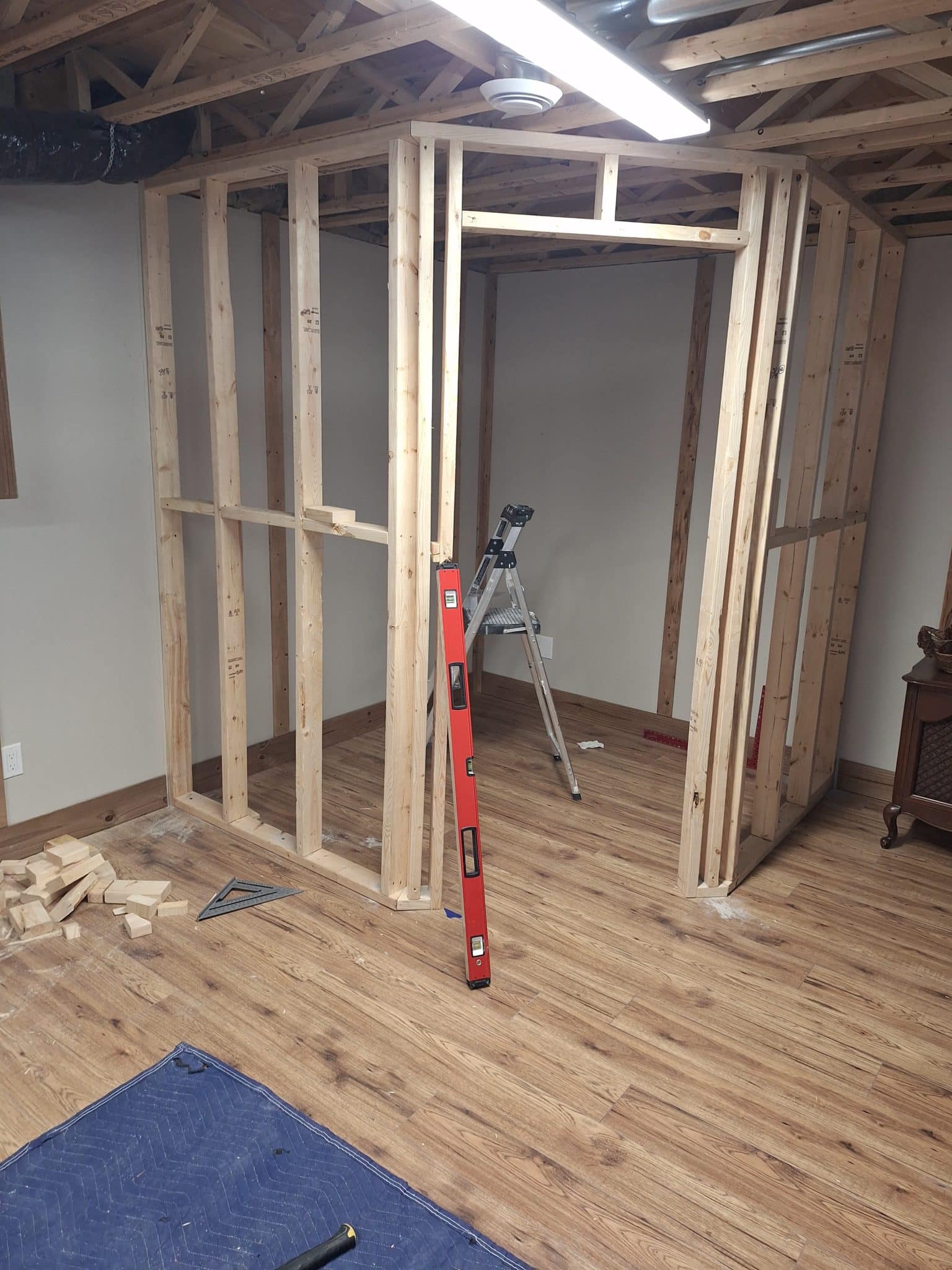

Basement Ceiling Height Requirements Ontario: Everything Homeowners Need to Know in 2026

If you are planning a basement renovation, understanding the basement ceiling height requirements Ontario enforces is essential. Whether you live in Central Ottawa, Orleans, Cornwall, Rockland, Russell & Embrun, Casselman, Alexandria, or the surrounding areas, meeting these legal standards ensures your basement is both safe and compliant. In this comprehensive guide, we’ll break down the current Ontario Building Code regulations for basement ceiling heights, practical solutions for low basements, and what you need to consider before starting your renovation project.

Why Basement Ceiling Height Matters
Ceiling height is not just about comfort—it’s a crucial part of Ontario’s building code for basements. Proper ceiling height affects:
- Legal compliance: Ensures your finished basement is recognized as a legal living space.
- Safety: Allows for proper installation of electrical, plumbing, and HVAC systems.
- Market value: Increases the resale value of your home.
- Functionality: Makes the space suitable for bedrooms, recreation rooms, or rental units.
Ontario Building Code: Basement Ceiling Height Requirements in 2026
The Ontario Building Code (OBC) sets strict guidelines for finished basements. As of 2026, the following rules apply to most residential properties in Central Ottawa, Orleans, Cornwall, Rockland, Russell & Embrun, Casselman, Alexandria, and surrounding areas:
- Minimum ceiling height for finished basements: 2.0 metres (6 feet 7 inches) over the majority of the floor area.
- Under beams, ducts, or obstructions: Minimum height is 1.95 metres (6 feet 5 inches).
- Bedrooms and living spaces: Must meet the 2.0 metre minimum for at least 75% of the required floor area.
- Bathrooms, laundry rooms, and storage: Slightly lower heights may be permitted, but check with your local municipality.
Special Considerations for Secondary Units
If you’re creating a secondary suite (such as a basement apartment), the OBC may allow certain relaxations. In 2026, the minimum ceiling height for secondary suites in existing houses is often 1.95 metres (6 feet 5 inches), but always confirm with your local building department in Central Ottawa, Orleans, Cornwall, Rockland, Russell & Embrun, Casselman, Alexandria, or nearby communities.
Common Basement Ceiling Height Challenges
Many older homes in Ontario have basements with ceiling heights below the current standard. Common issues include:
- Low-hanging ductwork or beams
- Uneven flooring or subflooring
- Sunken or unfinished slabs
These obstacles can make it challenging to meet the required heights for legal basement finishing or secondary suites.
How to Increase Basement Ceiling Height
If your existing basement ceiling falls short of Ontario’s requirements, consider these renovation solutions:
- Lowering the basement floor (underpinning): Excavating and reinforcing the foundation to create more headroom. This is the most effective but also the most costly method.
- Rerouting or flattening ductwork: Replacing bulky ducts with slimline models or rerouting them closer to exterior walls.
- Using thinner subflooring: Opt for engineered subfloor panels to maximize headroom.
- Strategic framing: Use dropped ceilings only where necessary and keep the rest of the ceiling as high as possible.
Permitting and Inspections: What to Expect in 2026
Before any major basement renovation, you must apply for a building permit. The application process includes:
- Submitting detailed plans showing ceiling heights
- Specifying the intended use of each basement area
- Allowing municipal inspectors to verify compliance at different stages
Inspections ensure that ceiling heights meet the Ontario Building Code and that all electrical, plumbing, and structural changes are safe and legal.
Basement Ceiling Finishes: Maximizing Headroom
Once you’ve addressed structural requirements, the choice of ceiling finish can make a significant difference:
- Drywall ceilings: Offer a smooth, finished look and maximize available height.
- Suspended (drop) ceilings: Allow easy access to utilities but reduce headroom. Use only if necessary.
- Painted joists: For unfinished or industrial looks, painting exposed joists can increase perceived height.
Basement Renovation Tips for Central Ottawa, Orleans, Cornwall, and Beyond
Whether you’re in Central Ottawa, Orleans, Cornwall, Rockland, Russell & Embrun, Casselman, Alexandria, or nearby, consider these tips:
- Always verify local bylaw variations to the Ontario Building Code.
- Hire experienced contractors familiar with regional requirements.
- Plan mechanical layouts early to avoid last-minute duct or beam issues.
- Consider future uses—such as rental units—which may have stricter standards.
Design Considerations for Low Basement Ceilings
When working with a basement that has limited ceiling height, design choices can make the space feel more open and inviting. Here are some strategies to visually and functionally enhance low-ceiling basements:
- Lighting: Use recessed lighting or slim-profile fixtures to avoid lowering the ceiling further. Avoid bulky chandeliers or pendant lights in low areas.
- Paint Colors: Choose light, neutral colors for walls and ceilings. Whites, light grays, and soft beiges help reflect light and make the space feel taller.
- Vertical Elements: Incorporate vertical stripes or tall shelving to draw the eye upward.
- Mirrors: Strategically placed mirrors can amplify natural and artificial light, creating a sense of spaciousness.
- Open Floor Plans: Minimize partitions and unnecessary walls to keep the space as open as possible.
Basement Uses and Their Impact on Ceiling Height Requirements
The intended use of your basement can affect the required ceiling height. Here’s how different uses may impact your renovation:
- Living Rooms and Recreation Areas: These spaces must meet the 2.0 metre minimum for comfort and code compliance.
- Bedrooms: Require at least 2.0 metres over 75% of the floor area, ensuring safety and egress in emergencies.
- Home Offices: While not specifically regulated, maintaining code height ensures flexibility for future conversions.
- Bathrooms and Laundry Rooms: May allow for slightly reduced heights, but accessibility and ventilation must be considered.
- Storage Rooms: These may have more flexibility, but check with your local municipality for minimums.
Cost Considerations for Achieving Required Ceiling Heights
Renovating to meet Ontario’s basement ceiling height requirements can vary significantly in cost. Here’s what to expect:
- Underpinning: This process can cost tens of thousands of dollars, depending on the size of the basement and soil conditions. It involves excavating below the existing foundation and pouring new footings.
- Ductwork Modifications: Rerouting or replacing ducts is generally less expensive but can still add up if extensive HVAC changes are needed.
- Flooring Choices: Thinner subfloors and low-profile flooring materials can help maximize height without major structural work.
- Permits and Inspections: Budget for municipal fees and any required engineering reports.
Always obtain multiple quotes and work with reputable contractors familiar with basement renovations in Ontario.
Legal Implications of Non-Compliance
Failing to meet basement ceiling height requirements can have serious consequences:
- Failed Inspections: Your renovation may not receive final approval, delaying occupancy or use.
- Resale Challenges: Non-compliant basements may not be counted as finished space when selling your home, reducing market value.
- Insurance Issues: Claims may be denied if damage occurs in a non-compliant basement.
- Legal Liability: Renting out a non-compliant basement can expose you to fines or legal action.
For peace of mind, always ensure your renovation meets or exceeds Ontario’s building code standards for basement ceiling heights.
Basement Finishing Trends in Ontario for 2026
As more homeowners seek to maximize living space, basement renovations are increasingly popular. Trends for 2026 include:
- Multi-Functional Spaces: Basements designed for flexible use, such as home gyms, offices, and guest suites.
- Energy Efficiency: Improved insulation and air sealing to reduce energy costs and improve comfort.
- Natural Light: Larger windows and window wells to bring in daylight and meet egress requirements.
- Soundproofing: Enhanced acoustic treatments for media rooms and rental units.
- Smart Home Integration: Automated lighting, climate control, and security features tailored for below-grade spaces.
Preparing for Your Basement Renovation: Step-by-Step
- Assess Existing Conditions: Measure current ceiling heights, identify obstructions, and note any moisture or structural issues.
- Consult Professionals: Engage architects, engineers, or experienced contractors to evaluate feasibility and compliance.
- Design Your Layout: Plan the placement of rooms, mechanical systems, and ceiling finishes to optimize headroom.
- Obtain Permits: Submit detailed plans to your local building department and address any feedback.
- Begin Construction: Follow approved plans, schedule inspections, and make adjustments as needed.
- Final Inspection and Approval: Ensure all work meets code before occupying or renting the space.
Service Areas
Daniel Bray Renovations serves homeowners across Central Ottawa, Orleans, Cornwall, Rockland, Russell & Embrun, Casselman, Alexandria, Surrounding Areas. If you’re planning basement ceiling height requirements Ontario in Ottawa, we can help you define scope, confirm selections, and build a realistic schedule.
Related Services
If your project expands, you may also want to review our Home Renovation services or work with our General Contractors Ottawa team to coordinate trades and timelines.
Many projects overlap spaces—see Kitchen Renovations Ottawa and Bathroom Renovations Ottawa for detailed service breakdowns. For outdoor upgrades, review Custom Deck Builders in Ottawa.
Materials, Finishes, and Fixtures
For cabinetry planning, homeowners often explore suppliers such as Muskoka Cabinet Company. For tile and stone selections, browse Euro Tile & Stone.
For countertop options and fabrication, review GranitePro Ottawa. For fixture lines and inspiration, see Riobel.
Frequently Asked Questions: Basement Ceiling Height Requirements Ontario
- What is the minimum legal basement ceiling height in Ontario in 2026?
For most finished basements, the minimum is 2.0 metres (6 feet 7 inches) over the majority of the floor area. Under beams or ducts, 1.95 metres (6 feet 5 inches) is allowed. - Can I finish my basement if the ceiling is lower than 2.0 metres?
If your basement ceiling is lower, you may need to consider underpinning or apply for a variance. For secondary suites in existing homes, 1.95 metres may be acceptable. - Do basement bedrooms have special ceiling height requirements?
Yes, bedrooms must meet the 2.0 metre minimum over at least 75% of the floor area. - Who enforces basement ceiling height requirements?
Your local municipality’s building department enforces these standards through permits and inspections. - What happens if I don’t meet the requirements?
Your renovation may not pass inspection, and you could be required to make costly changes or remove non-compliant work. - Is there any flexibility for older homes?
Some flexibility may exist for secondary suites in older homes, but always check with your local building office. - How do I measure ceiling height for code compliance?
Ceiling height is measured from the finished floor surface to the finished ceiling surface. Be sure to account for any future flooring or ceiling finishes when planning your renovation. - Are there exceptions for unfinished basements?
Unfinished basements used solely for storage or mechanical purposes may not need to meet the same height requirements as habitable spaces, but check with your municipality. - Can ceiling height requirements change in the future?
Building codes are periodically updated. Always confirm the latest requirements with your local building department before starting any work. - What if my basement has sloped ceilings?
For sloped ceilings, the required minimum height must be met over the specified percentage of the floor area, typically 75% for bedrooms and living spaces.
Conclusion: Plan Ahead for a Compliant, Comfortable Basement
Meeting the basement ceiling height requirements Ontario sets for 2026 is crucial for a safe, legal, and comfortable finished space. Homeowners in Central Ottawa, Orleans, Cornwall, Rockland, Russell & Embrun, Casselman, Alexandria, and surrounding areas should always check local regulations, plan renovations carefully, and consult experienced professionals. By understanding the rules and planning accordingly, you’ll ensure your basement renovation adds value, functionality, and peace of mind to your home.
Final Thoughts: Your Next Steps
Basement renovations are a significant investment, but with proper planning and adherence to Ontario’s ceiling height requirements, you can create a space that is both beautiful and functional. Whether you’re finishing a basement for personal use or as a rental suite, always prioritize safety, comfort, and compliance. Start by measuring your space, consulting with professionals, and securing the necessary permits. With the right approach, your basement can become one of the most valuable and enjoyable parts of your home in 2026 and beyond.
Additional Considerations for Basement Ceiling Height in Ontario
When planning your basement renovation, it’s important to consider additional factors that can impact both the process and the final result. These considerations can help you avoid common pitfalls and ensure your basement is both functional and compliant with Ontario’s regulations.
- Moisture Management: Basements are prone to moisture issues due to their below-grade location. Proper waterproofing, drainage, and vapor barriers are essential to prevent mold and structural damage, especially when lowering floors to increase ceiling height.
- Insulation: Insulating basement walls and ceilings not only improves energy efficiency but also helps maintain comfortable temperatures year-round. Use insulation materials approved for below-grade use to avoid moisture problems.
- Fire Safety: Fire-rated drywall and proper smoke detection systems are required in finished basements. If your basement will be used as a secondary suite, additional fire separation and egress requirements may apply.
- Soundproofing: Consider installing soundproofing materials in the ceiling to reduce noise transfer between floors, especially if the basement will be used as a rental unit or entertainment space.
- Natural Light and Egress: Ontario’s building code requires that bedrooms and certain living spaces have windows large enough for emergency escape. Window wells and enlarged window openings may be necessary, particularly if you are increasing the floor depth.
- Accessibility: If you plan to age in place or accommodate individuals with mobility challenges, consider wider doorways, lower thresholds, and accessible bathroom layouts when designing your basement.
Case Studies: Real-World Examples of Basement Renovations in Ontario
To better understand how homeowners in Ontario have successfully navigated basement ceiling height requirements, here are a few real-world scenarios:
Case Study 1: Underpinning in Central Ottawa
A family in Central Ottawa wanted to convert their 1950s-era basement into a legal rental suite. The original ceiling height was only 1.8 metres (5 feet 11 inches). By hiring a professional underpinning contractor, they were able to lower the floor by 30 centimetres, achieving a finished ceiling height of 2.05 metres. The project took three months and included new drainage, waterproofing, and upgraded insulation. The result was a bright, code-compliant rental unit that added significant value to their home.
Case Study 2: Ductwork Rerouting in Cornwall
In Cornwall, a homeowner faced challenges with low-hanging ductwork that reduced ceiling height in key areas. By working with an HVAC specialist, they replaced bulky ducts with slimline models and rerouted them along the perimeter walls. This solution allowed them to maintain a 2.0 metre ceiling in the main living area while keeping mechanical systems accessible for future maintenance.
Case Study 3: Creative Design in Alexandria
A homeowner in Alexandria had a basement with a sloped ceiling, ranging from 1.9 to 2.1 metres. By designing the layout so that bedrooms and living areas were placed under the highest sections, and storage and laundry were located under lower areas, they met code requirements without costly structural changes. Light colors, mirrors, and open shelving further enhanced the sense of space.
Expert Advice: Tips from Ontario Basement Renovation Professionals
Experienced contractors and designers offer the following advice for homeowners tackling basement ceiling height challenges in 2026:
- Start with a Professional Assessment: Have your basement evaluated by a structural engineer or architect before making any plans. This helps identify potential issues and ensures your project is feasible.
- Plan for the Future: Even if you don’t intend to rent out your basement now, designing to meet secondary suite requirements can increase your home’s flexibility and value.
- Don’t Cut Corners: Attempting to finish a basement without proper permits or by ignoring code requirements can lead to costly problems down the road. Always follow the legal process.
- Budget for Surprises: Older homes often hide unexpected issues such as moisture, structural weaknesses, or outdated wiring. Set aside a contingency fund for unforeseen expenses.
- Work with Local Experts: Choose contractors who are familiar with your municipality’s specific requirements and have a track record of successful basement projects in Ontario.
Future-Proofing Your Basement Renovation
As Ontario’s building codes evolve, it’s wise to future-proof your basement renovation. Here’s how:
- Exceed Minimum Standards: Whenever possible, aim for ceiling heights above the minimum required. This not only improves comfort but also protects your investment if codes become stricter in the future.
- Flexible Design: Use movable partitions, modular furniture, and open layouts to adapt the space to changing needs.
- Upgrade Infrastructure: Install modern electrical, plumbing, and HVAC systems that can accommodate future technology and energy efficiency improvements.
- Document Everything: Keep detailed records of permits, inspections, and renovation work. This documentation is valuable for resale and insurance purposes.
Environmental and Energy Efficiency Considerations
Basement renovations offer an opportunity to improve your home’s energy efficiency and environmental impact. Consider these strategies:
- High-Performance Insulation: Use insulation with a high R-value to reduce heat loss and improve comfort.
- Air Sealing: Seal gaps and cracks to prevent drafts and moisture intrusion.
- Energy-Efficient Lighting: Install LED fixtures and controls to reduce electricity consumption.
- Low-VOC Materials: Choose paints, adhesives, and flooring with low volatile organic compounds to improve indoor air quality.
- Smart Thermostats: Integrate climate control systems that can be programmed or controlled remotely for optimal efficiency.
Community Resources and Support
Many municipalities in Ontario offer resources to help homeowners with basement renovations. These may include:
- Building Department Consultations: Schedule a meeting with your local building department to review your plans and ask questions about ceiling height requirements and other regulations.
- Workshops and Seminars: Attend educational events on home renovation, energy efficiency, and code compliance.
- Financial Incentives: Some regions offer grants or rebates for energy-efficient upgrades, waterproofing, or secondary suite creation.
- Permit Guides: Access online or printed guides that outline the steps for obtaining permits and passing inspections in your area.
Frequently Asked Questions: Basement Ceiling Height Requirements Ontario
- What is the minimum legal basement ceiling height in Ontario in 2026?
For most finished basements, the minimum is 2.0 metres (6 feet 7 inches) over the majority of the floor area. Under beams or ducts, 1.95 metres (6 feet 5 inches) is allowed. - Can I finish my basement if the ceiling is lower than 2.0 metres?
If your basement ceiling is lower, you may need to consider underpinning or apply for a variance. For secondary suites in existing homes, 1.95 metres may be acceptable. - Do basement bedrooms have special ceiling height requirements?
Yes, bedrooms must meet the 2.0 metre minimum over at least 75% of the floor area. - Who enforces basement ceiling height requirements?
Your local municipality’s building department enforces these standards through permits and inspections. - What happens if I don’t meet the requirements?
Your renovation may not pass inspection, and you could be required to make costly changes or remove non-compliant work. - Is there any flexibility for older homes?
Some flexibility may exist for secondary suites in older homes, but always check with your local building office. - How do I measure ceiling height for code compliance?
Ceiling height is measured from the finished floor surface to the finished ceiling surface. Be sure to account for any future flooring or ceiling finishes when planning your renovation. - Are there exceptions for unfinished basements?
Unfinished basements used solely for storage or mechanical purposes may not need to meet the same height requirements as habitable spaces, but check with your municipality. - Can ceiling height requirements change in the future?
Building codes are periodically updated. Always confirm the latest requirements with your local building department before starting any work. - What if my basement has sloped ceilings?
For sloped ceilings, the required minimum height must be met over the specified percentage of the floor area, typically 75% for bedrooms and living spaces.
Conclusion: Plan Ahead for a Compliant, Comfortable Basement
Meeting the basement ceiling height requirements Ontario sets for 2026 is crucial for a safe, legal, and comfortable finished space. Homeowners in Central Ottawa, Orleans, Cornwall, Rockland, Russell & Embrun, Casselman, Alexandria, and surrounding areas should always check local regulations, plan renovations carefully, and consult experienced professionals. By understanding the rules and planning accordingly, you’ll ensure your basement renovation adds value, functionality, and peace of mind to your home.
Final Thoughts: Your Next Steps
Basement renovations are a significant investment, but with proper planning and adherence to Ontario’s ceiling height requirements, you can create a space that is both beautiful and functional. Whether you’re finishing a basement for personal use or as a rental suite, always prioritize safety, comfort, and compliance. Start by measuring your space, consulting with professionals, and securing the necessary permits. With the right approach, your basement can become one of the most valuable and enjoyable parts of your home in 2026 and beyond.