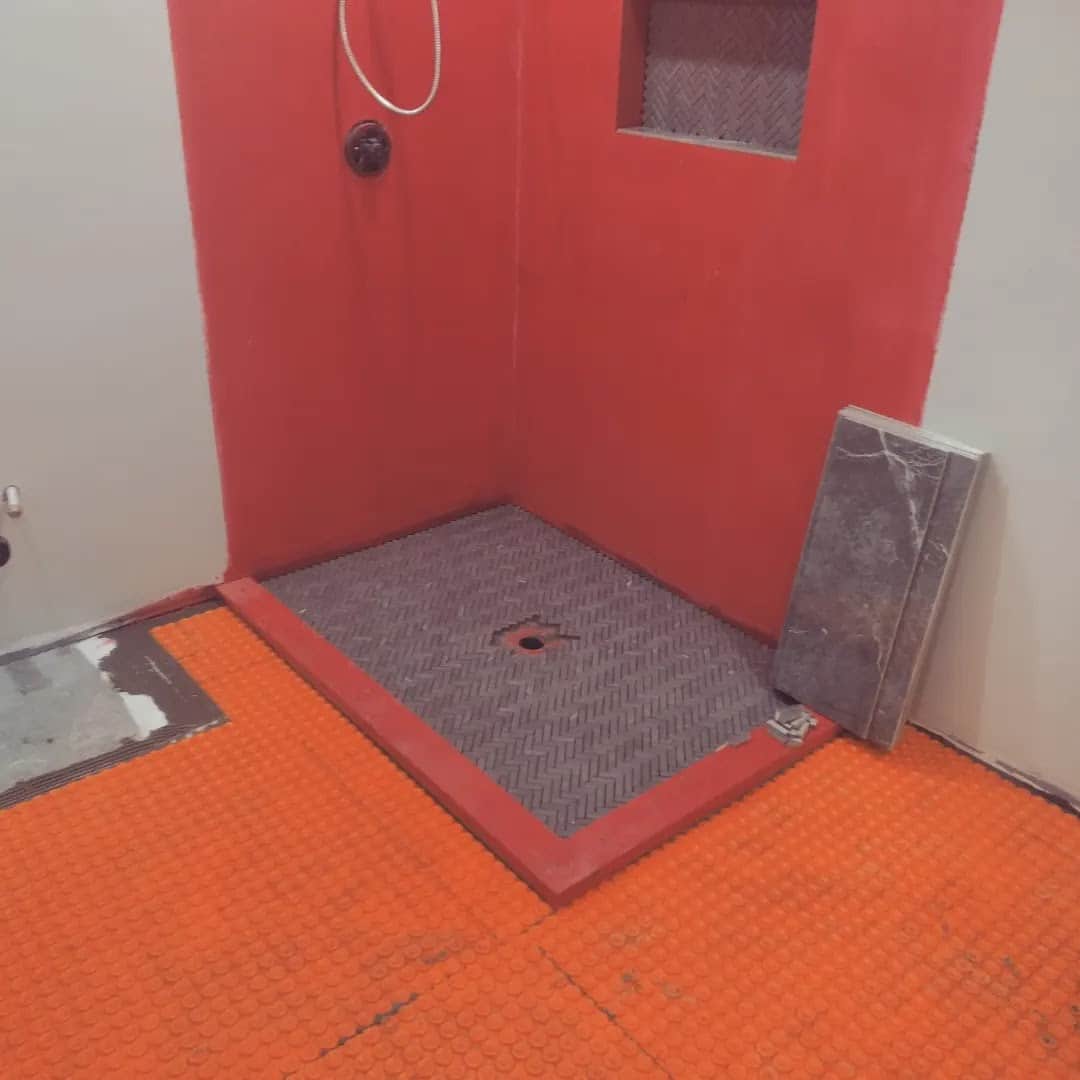

Moisture and Waterproofing Considerations: Why They Matter in 2026

In 2026, moisture and waterproofing considerations remain critical for homeowners across Central Ottawa, Orleans, Cornwall, Rockland, Russell & Embrun, Casselman, Alexandria, and surrounding areas. With changing climate patterns, increased rainfall, and evolving building codes, understanding how to protect your property from water damage is more important than ever. Whether you’re planning a new build, a major renovation, or simply maintaining your existing home, it’s essential to address moisture control and waterproofing at every stage.

Understanding Moisture Problems in Central Ottawa and Surrounding Areas
Homes in Central Ottawa and nearby communities face unique moisture challenges due to:
- High annual precipitation and fluctuating weather patterns
- Older housing stock with outdated waterproofing methods
- Clay-rich soils that retain water and increase hydrostatic pressure
- Frequent freeze-thaw cycles that can cause foundation cracks
These factors make it crucial to implement robust waterproofing solutions during construction, renovations, and ongoing maintenance.
Key Moisture and Waterproofing Considerations for 2026
To effectively manage water intrusion and moisture buildup, homeowners should focus on the following areas:
1. Foundation Waterproofing
Basements and crawl spaces are particularly vulnerable to water ingress, especially in regions like Cornwall and Alexandria, where groundwater levels can fluctuate. Effective foundation waterproofing involves:
- Exterior waterproof membranes applied to foundation walls
- Properly installed weeping tiles and perimeter drains
- Drainage boards to channel water away from the foundation
- Sealing foundation cracks with hydraulic cement or epoxy injections
2. Proper Grading and Landscaping
Ensuring the land around your home slopes away from the foundation is essential. Poor grading can lead to pooling water and increased risk of basement leaks. Key landscaping considerations include:
- Maintaining a slope of at least 6 inches over the first 10 feet from the foundation
- Using swales and French drains to divert water
- Planting moisture-absorbing vegetation away from the foundation
3. Roof and Gutter Maintenance
The roof is your home’s first line of defense against moisture. In areas like Rockland and Russell & Embrun, heavy snow and rain can overwhelm outdated gutter systems. Key maintenance tips:
- Clean gutters and downspouts at least twice a year
- Install gutter guards to prevent clogs
- Ensure downspouts extend at least 6 feet from the foundation
- Inspect roofing materials for damage or wear after severe weather
4. Interior Moisture Control
Even with robust exterior waterproofing, interior moisture can lead to mold, mildew, and structural damage. Consider the following:
- Use dehumidifiers in basements and crawl spaces
- Install vapor barriers on basement walls and floors
- Ensure proper ventilation in bathrooms, kitchens, and laundry areas
- Fix plumbing leaks promptly
5. Advanced Waterproofing Technologies (2026 Update)
Recent advancements have made waterproofing both more effective and environmentally friendly. In 2026, homeowners in Casselman and surrounding areas are adopting:
- Self-healing waterproof membranes that seal minor cracks automatically
- Drainage composites that combine insulation with moisture control
- Smart sensors that alert homeowners to leaks and humidity spikes
- Eco-friendly, non-toxic sealants for foundation and basement use
Building Envelope: The First Line of Defense
Beyond the foundation and roof, the building envelope—the collective system of walls, windows, doors, and insulation—plays a crucial role in moisture management. In 2026, building codes in Central Ottawa and neighboring regions emphasize the importance of continuous air and vapor barriers. These barriers prevent humid interior air from reaching cooler surfaces within the wall cavity, where condensation can occur and lead to mold growth or wood rot. Homeowners should ensure that all penetrations, such as those for electrical outlets, pipes, and vents, are properly sealed with compatible tapes and gaskets to maintain the integrity of the envelope.
Window and Door Flashing
Improperly installed or aging windows and doors are common sources of leaks. Modern flashing systems, including self-adhering membranes and rigid sill pans, direct water away from vulnerable joints. In 2026, many homeowners are opting for triple-glazed windows with integrated drainage channels, further reducing the risk of water ingress and improving energy efficiency. Regular inspection of caulking and weatherstripping is also essential to maintain a tight seal against moisture.
Attic and Roof Space Ventilation
Attic spaces are often overlooked in moisture management. Inadequate ventilation can lead to condensation, which in turn causes mold, mildew, and even structural damage to roof trusses and decking. Properly sized ridge and soffit vents, combined with vapor-permeable insulation, help maintain a balanced airflow and keep moisture levels in check. In 2026, smart attic fans with humidity sensors are increasingly popular, automatically adjusting airflow to maintain optimal conditions.
Moisture and Indoor Air Quality
Moisture control is not only about structural integrity but also about health. Elevated humidity levels can foster dust mites, bacteria, and other allergens, exacerbating respiratory issues. In Central Ottawa and surrounding communities, where homes may be tightly sealed for energy efficiency, mechanical ventilation systems like HRVs (Heat Recovery Ventilators) and ERVs (Energy Recovery Ventilators) are recommended. These systems exchange stale indoor air with fresh outdoor air while managing humidity, ensuring a healthy living environment year-round.
Basement Living Spaces
With the trend toward finished basements in 2026, it’s vital to use moisture-resistant materials. Consider closed-cell spray foam insulation, water-resistant drywall, and flooring designed for below-grade installation. Area rugs should be used instead of wall-to-wall carpeting, and all furnishings should be elevated off the floor on moisture-resistant bases. Sump pumps with battery backup systems are also standard in many new homes, providing peace of mind during power outages or heavy storms.
Seasonal Maintenance Checklist for Moisture and Waterproofing
Staying ahead of moisture problems requires regular attention. Here’s a comprehensive checklist for homeowners in 2026:
- Spring: Inspect foundation walls for cracks, clean gutters, check grading, test sump pump, and look for signs of condensation in basements and crawl spaces.
- Summer: Ensure landscaping directs water away from the house, check attic ventilation, inspect window and door seals, and monitor humidity levels indoors.
- Fall: Clean gutters again, check roof for damaged shingles, inspect exterior caulking, and prepare sump pump for winter operation.
- Winter: Watch for ice dams on the roof, check for condensation on windows, and ensure basement dehumidifiers are functioning properly.
Common Signs of Moisture Problems
Early detection is key to preventing costly repairs. Watch for these warning signs:
- Efflorescence (white powdery residue) on basement walls
- Musty odors, especially in lower levels of the home
- Visible mold growth on walls, ceilings, or floors
- Peeling paint or wallpaper
- Warped or buckling flooring
- Persistent condensation on windows
- Rust on metal fixtures or appliances in basements
- Staining or discoloration on walls and ceilings
- Cracks in foundation or basement floor
If you notice any of these issues, it’s crucial to address the underlying cause promptly.
The Importance of Professional Assessment
While some waterproofing tasks can be handled by homeowners, a professional assessment is often required for complex problems. Certified contractors in Central Ottawa, Orleans, and nearby communities can:
- Identify hidden sources of moisture
- Recommend tailored solutions based on your property’s needs
- Ensure compliance with 2026 building codes and regulations
- Utilize advanced diagnostic tools such as thermal imaging and moisture meters
- Offer maintenance plans for ongoing protection

Service Areas
Daniel Bray Renovations serves homeowners across Central Ottawa, Orleans, Cornwall, Rockland, Russell & Embrun, Casselman, Alexandria, Surrounding Areas. If you’re planning moisture and waterproofing considerations in Ottawa, we can help you define scope, confirm selections, and build a realistic schedule.
Related Services
If your project expands, you may also want to review our Home Renovation services or work with our General Contractors Ottawa team to coordinate trades and timelines.
Many projects overlap spaces—see Kitchen Renovations Ottawa and Bathroom Renovations Ottawa for detailed service breakdowns. For outdoor upgrades, review Custom Deck Builders in Ottawa.
Materials, Finishes, and Fixtures
For cabinetry planning, homeowners often explore suppliers such as Muskoka Cabinet Company. For tile and stone selections, browse Euro Tile & Stone.
For countertop options and fabrication, review GranitePro Ottawa. For fixture lines and inspiration, see Riobel.
Frequently Asked Questions: Moisture and Waterproofing Considerations
- Q: How often should I inspect my home for moisture problems?
A: It’s wise to inspect your home at least twice a year—once in the spring and once in the fall. After major storms or rapid snowmelt, check basements and crawl spaces for signs of water intrusion. - Q: Are there any new waterproofing materials recommended for 2026?
A: Yes, self-healing membranes and eco-friendly sealants are becoming standard in the industry. These materials offer enhanced protection and durability, especially for older homes in this region. - Q: Can landscaping really make a difference in moisture control?
A: Absolutely. Proper grading and drainage can prevent water from pooling near your foundation, reducing the risk of basement leaks and structural damage. - Q: What should I do if I find mold in my basement?
A: Mold should be addressed promptly. Remove the affected materials if possible, dehumidify the area, and consult a professional for remediation and to identify the source of moisture. - Q: How do smart sensors help with waterproofing?
A: Smart sensors monitor humidity and detect leaks in real time, sending alerts to your phone or home automation system. This allows for rapid response to emerging problems, minimizing damage. - Q: Are moisture and waterproofing considerations different for older homes?
A: Older homes often lack modern moisture barriers and may have settled foundations, making them more susceptible to water damage. Upgrading waterproofing systems is especially important for these properties. - Q: What is the role of a sump pump in moisture management?
A: A sump pump collects and removes water that accumulates in a sump basin, typically found in the basement. In areas prone to flooding or high groundwater, a sump pump is essential for preventing basement water damage. - Q: How can I improve indoor air quality while managing moisture?
A: Use mechanical ventilation systems like HRVs or ERVs, maintain humidity levels between 30-50%, and promptly repair leaks to prevent mold growth. - Q: What is the difference between waterproofing and damp proofing?
A: Waterproofing provides a complete barrier to water penetration, while damp proofing only resists moisture. For below-grade spaces, full waterproofing is recommended in 2026. - Q: Should I be concerned about moisture if my home is newly built?
A: Yes. Even new homes can experience moisture issues if waterproofing details are overlooked during construction. Regular inspections and maintenance are still necessary.
Conclusion: Protecting Your Investment in 2026 and Beyond
Moisture and waterproofing considerations are vital for maintaining the integrity, value, and safety of your home in Central Ottawa, Orleans, Cornwall, Rockland, Russell & Embrun, Casselman, Alexandria, and surrounding areas. By staying proactive and leveraging the latest technologies and best practices in 2026, you can prevent costly repairs, improve indoor air quality, and safeguard your family’s health. For complex waterproofing projects or persistent moisture issues, consult with a qualified professional to ensure your home stays dry and protected for years to come.
Looking Forward: The Future of Moisture and Waterproofing in 2026
As we look to the future, the importance of moisture and waterproofing considerations will only increase. Climate change is expected to bring more intense storms and unpredictable weather, making robust moisture management strategies essential for all homeowners. Innovations in building materials, such as nanotechnology-infused sealants and AI-driven moisture monitoring systems, are on the horizon. Homeowners who invest in these technologies today will be better prepared for tomorrow’s challenges, ensuring their properties remain safe, healthy, and valuable for generations to come.
Summary Checklist: Moisture and Waterproofing Best Practices (2026)
- Inspect and maintain all exterior drainage systems regularly
- Upgrade to advanced waterproofing membranes where possible
- Seal all foundation and wall penetrations thoroughly
- Monitor humidity and temperature in basements and crawl spaces
- Invest in smart sensors for early leak detection
- Ensure proper grading and landscaping around the home
- Use moisture-resistant materials in all below-grade spaces
- Schedule professional assessments every few years
By following these guidelines and staying informed about the latest developments in moisture and waterproofing, you can protect your property and enjoy peace of mind in 2026 and beyond.
Deep Dive: The Science of Moisture Movement in Buildings
Understanding how moisture moves through a building is crucial for effective waterproofing. Moisture can enter homes in several ways: as liquid water through leaks and capillary action, as water vapor through diffusion, and as air-transported moisture. In 2026, building science has advanced to provide more accurate models of these processes, allowing for better design and remediation strategies. For example, capillary breaks—such as granular backfill and drainage mats—are now standard in new construction to prevent water from wicking into foundations. Additionally, vapor diffusion retarders are carefully selected based on climate zone and building use, ensuring that moisture does not become trapped within wall assemblies.
Capillary Action and Its Impact
Capillary action refers to the movement of water through porous materials, such as concrete or masonry, against gravity. This phenomenon can cause moisture to rise from the ground into foundation walls and slabs, leading to dampness and mold. In 2026, builders mitigate capillary action by installing capillary breaks, such as polyethylene sheeting beneath slabs and specialized coatings on foundation walls. These measures, combined with effective drainage, significantly reduce the risk of moisture-related damage.
Vapor Diffusion and Air Leakage
Vapor diffusion occurs when water vapor moves from areas of high concentration to low concentration, often passing through building materials. Air leakage, on the other hand, can carry large amounts of moisture into wall and roof assemblies, especially during windy or humid conditions. Advanced air sealing techniques, including the use of spray foam and high-performance tapes, are now common in Central Ottawa and surrounding areas. These methods not only improve energy efficiency but also enhance moisture control by limiting the pathways for humid air to enter the building envelope.
Case Studies: Moisture and Waterproofing Success Stories
Examining real-world examples helps illustrate the importance of moisture and waterproofing considerations. In 2026, several homeowners in Orleans and Rockland undertook major renovation projects to address chronic basement dampness. By installing exterior waterproof membranes, upgrading perimeter drains, and adding smart leak detection systems, they transformed their basements into dry, comfortable living spaces. Another case in Casselman involved retrofitting an older home with advanced vapor barriers and mechanical ventilation, resulting in improved indoor air quality and reduced allergy symptoms for the occupants.
Moisture and Waterproofing for Different Building Types
Moisture management strategies can vary depending on the type of building. For example, slab-on-grade homes in Alexandria require different waterproofing details than homes with full basements in Cornwall. Multi-unit residential buildings may need additional drainage and ventilation systems to accommodate higher occupancy and shared walls. In 2026, architects and builders are increasingly customizing moisture control solutions to suit each property’s unique characteristics, ensuring long-term durability and occupant comfort.
Historic and Heritage Homes
Older homes, especially those with heritage status, present unique moisture challenges. Many were built before the advent of modern waterproofing materials and may have solid masonry walls without insulation or vapor barriers. In these cases, sensitive restoration techniques are used to preserve the building’s character while improving moisture resistance. Lime-based plasters, breathable sealants, and interior drainage systems are among the solutions employed to balance preservation with performance.
Insurance and Moisture-Related Claims in 2026
Insurance companies in Central Ottawa and surrounding areas are increasingly scrutinizing moisture and waterproofing measures when underwriting policies. In 2026, many insurers require proof of recent waterproofing upgrades or maintenance, especially for properties in flood-prone zones. Homeowners who invest in proactive moisture management often benefit from lower premiums and faster claims processing in the event of water damage. Documenting all waterproofing work and keeping maintenance records is highly recommended.
DIY vs. Professional Waterproofing: Making the Right Choice
While some moisture control tasks—such as cleaning gutters or applying caulk—can be handled by homeowners, more complex work should be left to professionals. Improper installation of waterproofing membranes or drainage systems can lead to costly failures down the road. In 2026, many contractors offer free or low-cost assessments, using advanced diagnostic tools to pinpoint moisture issues. Homeowners are encouraged to seek multiple quotes and verify contractor credentials before proceeding with major waterproofing projects.
Emerging Technologies in Moisture and Waterproofing (2026)
The field of moisture management is rapidly evolving. In 2026, several emerging technologies are making a significant impact:
- Nanotechnology Sealants: Ultra-fine particles penetrate deep into porous materials, creating long-lasting barriers against water intrusion.
- AI-Powered Monitoring: Artificial intelligence systems analyze data from multiple sensors to predict and prevent moisture problems before they occur.
- Modular Drainage Systems: Prefabricated drainage components speed up installation and improve reliability, especially in challenging soil conditions.
- Bio-Based Waterproofing: Plant-derived resins and coatings offer sustainable alternatives to traditional petrochemical products.
Adopting these innovations can enhance the resilience and sustainability of your home, providing peace of mind for years to come.
FAQ: Additional Moisture and Waterproofing Considerations
- Q: How can I tell if my crawl space needs waterproofing?
A: Signs include musty odors, visible mold, damp insulation, or standing water. A professional assessment can determine the best course of action, such as installing a vapor barrier or sump pump. - Q: What is the best humidity level for my home?
A: Aim to keep indoor humidity between 30% and 50% year-round. This range minimizes the risk of mold growth and supports healthy indoor air quality. - Q: Are there government incentives for waterproofing in 2026?
A: Some municipalities offer rebates or tax credits for energy-efficient and moisture-resistant upgrades. Check with your local building department for current programs. - Q: How do I maintain my sump pump?
A: Test your sump pump every few months by pouring water into the basin. Clean the pump and check the discharge line for obstructions. Replace backup batteries as needed. - Q: Can waterproofing improve my home’s resale value?
A: Yes. Documented waterproofing upgrades are attractive to buyers and can increase property value, especially in areas prone to moisture issues. - Q: What should I do if I experience a flood?
A: Act quickly to remove standing water, dry affected areas, and prevent mold. Contact your insurance provider and a professional restoration company for assistance. - Q: Is it possible to over-seal my home?
A: While air sealing is important, homes also need controlled ventilation. Use mechanical systems to ensure a healthy balance between airtightness and fresh air supply. - Q: How often should vapor barriers be replaced?
A: High-quality vapor barriers can last decades, but inspect them every few years for damage or deterioration, especially after renovations or foundation work. - Q: Are there waterproofing solutions for balconies and decks?
A: Yes. Specialized membranes, drainage mats, and flashing details are available to protect outdoor structures from water damage. - Q: How do I choose the right contractor for waterproofing?
A: Look for certified professionals with experience in your region. Ask for references, proof of insurance, and detailed written estimates before starting work.
Conclusion: Staying Ahead of Moisture and Waterproofing Challenges in 2026
As we move further into 2026, the importance of moisture and waterproofing considerations cannot be overstated. Homeowners in Central Ottawa, Orleans, Cornwall, Rockland, Russell & Embrun, Casselman, Alexandria, and neighboring communities must remain vigilant, proactive, and informed. By embracing new technologies, maintaining regular inspections, and seeking professional guidance when needed, you can ensure your home remains dry, healthy, and resilient against the challenges of a changing climate. Protect your investment, your health, and your peace of mind by making moisture and waterproofing a top priority in 2026 and beyond.